
Blog > Buying a Home in a Los Angeles HPOZ: The Benefits and What to Know
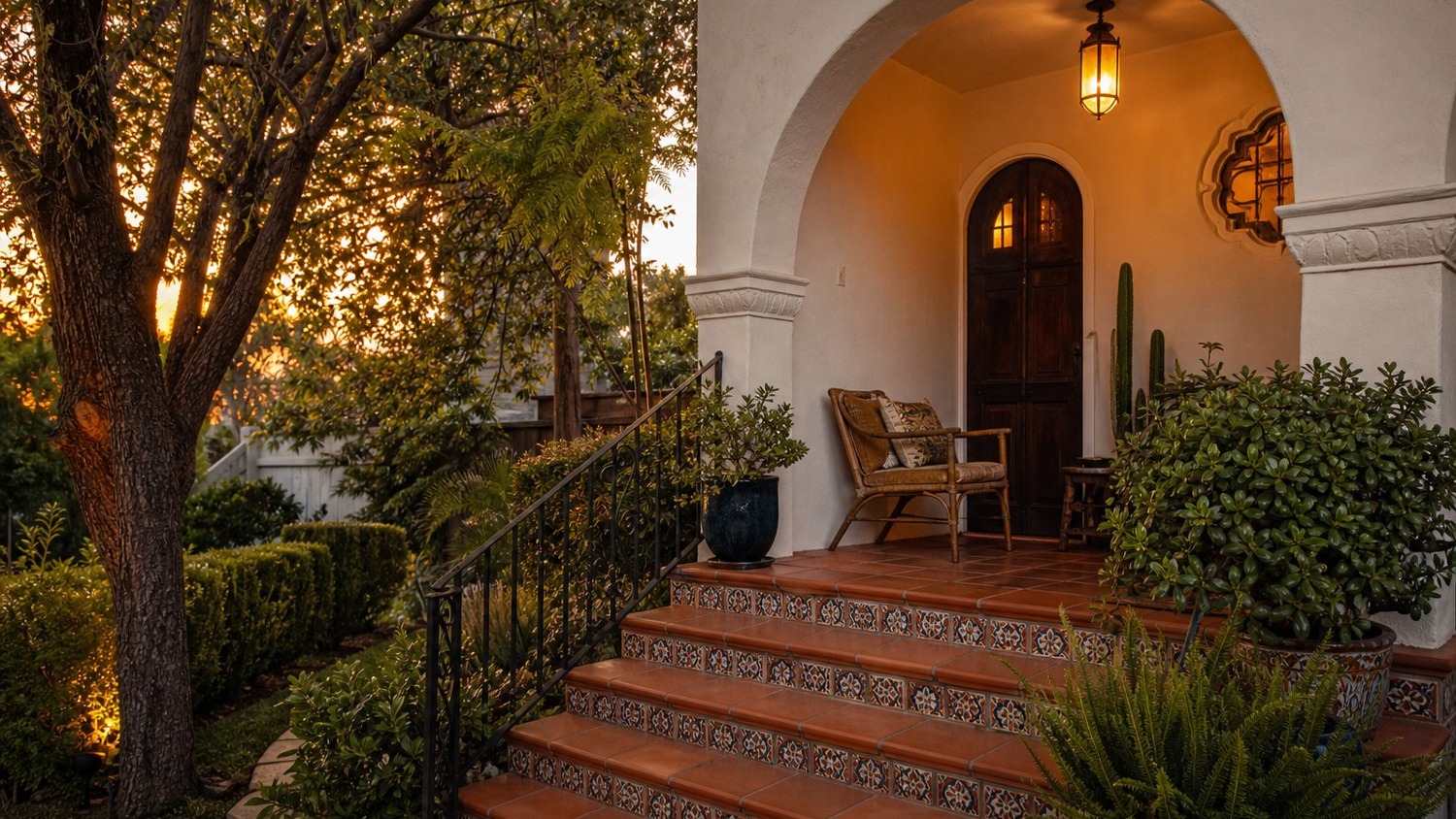
I love historic homes. The architecture, the details, and the relationship between a house and its street are often what make people fall in love with a neighborhood.
I live in Hancock Park, and preserving that character matters to me. A Historic Preservation Overlay Zone, or HPOZ, helps protect the qualities that make these neighborhoods special. For buyers, that can have both personal and financial value.
Historic Districts Have a Strong Record on Property Values
There is research behind the idea that historic neighborhoods can hold their value better during downturns and appreciate more strongly over time.
The Los Angeles Conservancy’s 2020 study, Preservation Positive Los Angeles, examined more than 136,000 single-family home sales from 2000 through 2016. It found that property values in HPOZs appreciated faster than those in the rest of the city. During the 2007–2010 housing crisis, HPOZ values experienced a slightly smaller peak-to-bottom decline, followed by a stronger, more consistent recovery.
Those findings describe a historical pattern, although not a guarantee of course. But they are an important part of the buying conversation.
For me, part of the appeal is knowing that the neighborhood’s architectural character is valued and protected. When you buy a home, the surrounding streets and houses are part of what you are choosing, too.
Potential tax benefits and individual historic recognition
Contributing status in an HPOZ can provide a path to the Mills Act program, which offers potential property-tax reductions in exchange for commitments to rehabilitate and maintain a historic property. Eligibility does not guarantee approval. As of October 2026, the City of Los Angeles has paused new applications while it reviews the program.
The district’s survey and research can also help an owner explore individual Historic-Cultural Monument designation. The property must independently meet the City’s criteria. Both subjects deserve their own discussion, but they are worth knowing about when buying a historic home.
Drawn to historic architecture but still deciding where to look? Let’s compare neighborhoods with your budget, preferred style, and day-to-day life in mind.
What Does an HPOZ Actually Govern?
The emphasis is on exterior character, particularly the front of the property and what can be seen from the street. HPOZ designation generally does not govern an interior remodel that leaves the exterior unchanged. Ordinary building-permit requirements still apply.
Updating a kitchen or bathroom is different from changing street-facing windows or adding a second story. Visibility can include side elevations and upper stories. Rear additions and accessory structures may also require review even when they are not street-visible. The applicable Preservation Plan determines exemptions and visibility-based review requirements.
Each HPOZ Has Its Own Rules
HPOZs are not one size fits all. Each one has its own Preservation Plan, and two homes within the same district can have different classifications and review requirements. The City’s district directory links to individual plans, maps, and board information.
Hancock Park is a useful example
In Hancock Park, paint colors and much of the landscaping on private property are exempt from HPOZ review. Exceptions include landscaping in public rights-of-way and landscaping specifically identified in the historic survey.
Our concrete streets and historic streetlights are also part of the neighborhood character we work to preserve. The focus extends beyond the houses themselves.
The Hancock Park Preservation Plan illustrates why buyers need to read their district’s rules. An exemption here does not establish an exemption elsewhere.
A Home’s Age Does Not Tell You Its HPOZ Status
Two terms matter: contributing and non-contributing.
A contributing property is identified as contributing to the district’s historic significance. A non-contributing property may have been built outside the district’s significant period, or it may be an older home whose alterations changed its historic character before the classification was adopted. Think of an enclosed front porch alteration. In some areas that may exclude the whole house from the HPOZ if it happened prior to the adoption of the zoning in that area.
A house can look old enough to belong to the historic district and still be non-contributing because of those earlier changes.
The City recognizes a “contributing altered” category. Its survey guidance explains that historic integrity, the nature of alterations, and the evaluation standards all matter.
Check the recorded classification rather than guessing from age or appearance. Non-contributing properties remain within the HPOZ and its review process, although requirements can differ.
What I Would Check Before Buying
Once you find a house you like, consider how you would actually use it. Could you move in comfortably, or does the purchase depend on changes? That distinction should guide your investigation.
- Confirm the district and classification. Use ZIMAS to identify the HPOZ and recorded designation. Ask the assigned planner to clarify anything that does not match the survey.
- Read the relevant guidelines and exemptions. Repairing windows, replacing them, and changing their openings are different proposals. Street-visible windows deserve particular attention: replacement styles and materials can be restricted, and repair may be the appropriate approach.
- Request records for completed work. Compare prior approvals, drawings, permits, and available completion records with what is there today. The City’s HPOZ FAQ explains that work completed without required approvals can need corrective action.
Have a particular home in mind? Let’s talk through what to investigate before you commit, including your renovation priorities and the records and specialist input you may need.
Who Reviews the Work—and Why Timing Matters
The local HPOZ board works within the City’s planning process. Under the City’s application instructions, staff assess the scope, determine the review path, identify corrections, and arrange board review when required. Some projects receive staff-level clearance.
A building permit does not replace required historic-preservation clearance.
Boards generally meet twice monthly, although meetings can be canceled. Members are volunteers with neighborhood familiarity and relevant expertise; schedules appear on the district pages.
Revisions or another board discussion can affect your contractor’s schedule. Certificates of Appropriateness and Certificates of Compatibility also have a 15-day appeal period, although that does not apply to every clearance.
Two experiences here in Hancock Park
When Hancock Park’s HPOZ was still relatively new, I needed to install a safety brace on one of my chimneys. Because it would be visible from the street, my application was initially rejected.
I appealed and explained that an unbraced chimney could fall into the house—and onto someone sleeping in the bedroom below. The brace was then approved. Preserving the house’s appearance mattered, but so did explaining the safety issue and why the work was necessary.
Friends had a different experience when they built a wall in front of their house without the required permits. They were subsequently required to remove it as someone tattled on them to the HPOZ board.
These experiences are why I encourage buyers to ask specific questions, explain what they need to accomplish, and get the required approvals before starting work.
Additions and ADUs
The existing house, proposed design, district guidelines, and zoning all matter when evaluating an addition. An architect familiar with historic properties may identify options you have not considered.
Qualifying accessory dwelling units can follow a ministerial process—review against applicable objective standards—under Los Angeles’s ADU provisions. They do not automatically follow the same discretionary process as an ordinary addition.
If the purchase depends on an addition or ADU, have the proposal evaluated by the appropriate design or land-use professional before lifting your investigation contingency. Build that work into your offer timeline.
Finding the Right Historic Home
For me, the appeal of a historic home goes well beyond its age. It is the craftsmanship, the proportions, and the feeling of walking down a street where the houses belong together. The right purchase lets you enjoy those qualities while making room for the way you live.
Ready to begin your search? Schedule a consultation so we can discuss what you are looking for and put a buying plan together.
About Sharlotte Blake
Sharlotte Blake is a Los Angeles Broker and REALTOR®. She is the founder of LA Lux Estates and a Broker Associate with Keller Williams Larchmont. She is RealTrends Verified and ranked among the top 1.5% of agents nationwide and the top 1% in Los Angeles. Her approach is grounded in Design. Data. Dedication. She brings a background in music marketing and film production to real estate, applying the same discipline of creative strategy, precise timing and data-driven decision-making to property presentation and pricing. Based in Los Angeles since 1999 and licensed since 2017, Sharlotte has lived in Hancock Park for more than 20 years and works with buyers and sellers throughout Los Angeles.
```
GET MORE INFORMATION

Sharlotte Blake
Broker Associate License ID: 02035876
Broker Associate License ID: 02035876